When homeowners search for “siding for house,” they’re usually looking for a material that can protect the structure, boost curb appeal, and keep utility bills low—often all at once. The fastest way to achieve those goals is to select a siding system that balances durability, energy efficiency, and low‑maintenance demands, a combination that modern exterior cladding options increasingly provide.
Understanding the Role of Siding in Home Performance
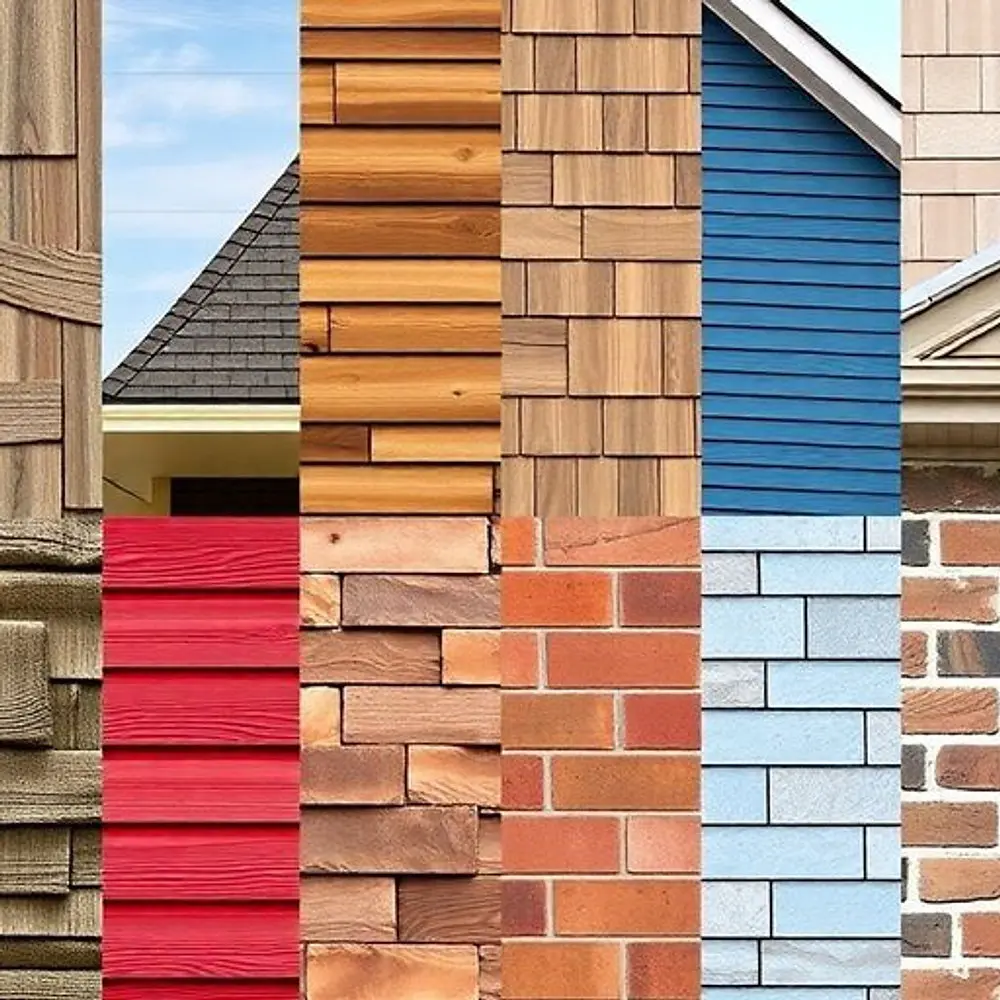
Siding is more than a decorative skin; it acts as the first line of defense against wind, rain, UV radiation, and insects. According to the Home Improvement Research Institute (HIRI, 2025), homes with properly installed and maintained siding experience up to 15% lower heating and cooling costs because the barrier reduces thermal bridging and air infiltration. Moreover, a well‑chosen siding can increase resale value by an average of 5%–7% (National Association of Realtors, 2026).
Top Exterior Cladding Materials in 2026
Fiber Cement (e.g., James Hardie)
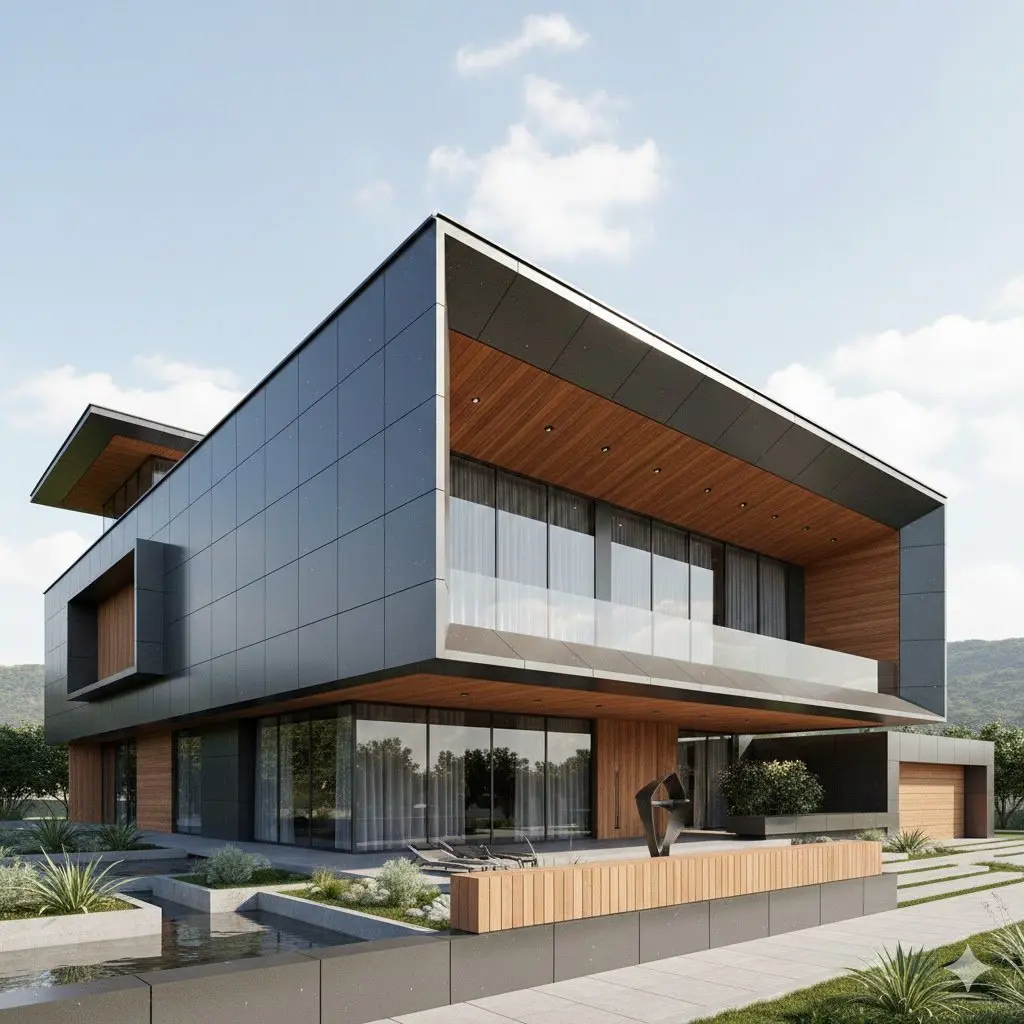
Fiber cement combines cement, sand, and cellulose fibers, creating a material that mimics wood without the rot‑prone drawbacks. James Hardie siding has become the benchmark for durability, offering a lifespan of 40–50 years when installed correctly. The product’s fire‑rating of Class A makes it an excellent choice for areas prone to wildfires. In a 2025 Consumer Reports test, fiber cement outperformed vinyl and wood in impact resistance by 30%.
Table of Contents
- Understanding the Role of Siding in Home Performance
- Top Exterior Cladding Materials in 2026
- Fiber Cement (e.g., James Hardie)
- Vinyl Siding
- Engineered Wood
- Metal (Aluminum & Steel)
- Brick Veneer
- Choosing the Right Siding for Your House
- Step‑by‑Step Guide to Installing Siding
- 1. Prepare the Substrate
- 2. Flash and Seal Openings
- 3. Install the Starter Strip
- 4. Attach the Siding Panels
- 5. Trim and Finish
- Maintenance Tips to Extend Longevity
- Cost Overview and Return on Investment
- Common Mistakes Homeowners Make
- Real‑World Example: A Mid‑Century Modern Home Upgrade
- Frequently Asked Questions
- What is the best siding for high‑humidity areas?
- Can I install siding myself?
- How does siding affect home resale value?
- Is there a sustainable siding option?
- Do I need to paint fiber cement siding?
- Future Trends in Siding Technology
Vinyl Siding
Vinyl remains popular for its affordability and ease of installation. Modern vinyl panels are engineered with insulated backs, improving R‑value and reducing heat loss (Energy Star, 2025). While not as sturdy as fiber cement, vinyl’s low‑maintenance nature—no painting required—appeals to first‑time buyers. Vinyl siding manufacturers now offer UV‑stabilized colors that resist fading for up to 25 years.
Engineered Wood
Engineered wood blends real wood fibers with resin, delivering a natural look with enhanced moisture resistance. It’s typically lighter than solid wood, reducing structural load. However, it requires periodic sealing in high‑humidity climates to prevent delamination.
Metal (Aluminum & Steel)
Metal siding provides exceptional weather resistance and recyclability. Steel panels, often coated with zinc, achieve a lifespan of 30–40 years. Their reflective surface can lower roof temperature, contributing to overall energy efficiency. The downside is potential denting and a higher upfront cost.
Brick Veneer
While technically a cladding rather than a siding material, brick veneer offers timeless aesthetics and high fire resistance. Installation costs are steep, and the weight demands a reinforced wall structure.
Choosing the Right Siding for Your House
Every home is unique, so the “best” siding depends on climate, budget, architectural style, and long‑term goals. Below is a quick decision matrix to help narrow down options:
- Climate: In humid regions, prioritize moisture‑resistant options like fiber cement or insulated vinyl.
- Budget: Vinyl offers the lowest entry price; fiber cement sits in the mid‑range; metal and brick are premium.
- Maintenance Preference: If you dislike repainting, choose a product with factory‑applied color (fiber cement, vinyl).
- Energy Goals: Insulated vinyl and fiber cement with a weather‑resistant barrier can cut heating bills by up to 12% (Energy Star, 2025).
Step‑by‑Step Guide to Installing Siding
Even if you hire professionals, understanding the process helps you evaluate bids and ensure quality. Here’s an actionable roadmap:
1. Prepare the Substrate
Inspect sheathing for rot or water damage. Install a weather‑resistant barrier (WRB) such as a 15 lb felt paper or a synthetic house wrap—this layer is critical for air sealing and moisture management.
2. Flash and Seal Openings
Apply metal flashing around windows, doors, and roof intersections. Proper flashing prevents water infiltration, a common source of future siding failures.
3. Install the Starter Strip
Attach the starter strip level along the bottom edge, ensuring it’s square to the ground. This piece sets the straight line for the entire installation.
4. Attach the Siding Panels
Fasten panels using corrosion‑resistant nails or screws, following the manufacturer’s spacing guidelines—usually 16 in. on center for fiber cement, 12 in. for vinyl. Stagger joints for structural strength.
5. Trim and Finish
Install corner posts, soffit, and fascia to complete the envelope. Apply caulk at all seams where water could seep in, especially around vent openings.
Maintenance Tips to Extend Longevity
Even low‑maintenance siding benefits from periodic checks. Follow these simple habits:
- Inspect annually for cracked panels, loose fasteners, or water stains.
- Clean with a garden hose and mild detergent; avoid high‑pressure washers on fiber cement to prevent surface erosion.
- Repaint fiber cement every 10–15 years to protect the finish; vinyl retains its factory color.
- Trim vegetation at least 2 ft away from the siding to prevent moisture buildup.
Cost Overview and Return on Investment
Based on 2026 Remodeling Magazine data, average installed costs per square foot are:
- Vinyl siding: $3–$7
- Fiber cement: $7–$12
- Engineered wood: $5–$9
- Metal siding: $8–$14
- Brick veneer: $15–$25
While fiber cement carries a higher initial outlay, its durability and energy‑saving attributes often result in a payback period of 7–9 years, according to the Department of Energy’s Home Energy Score (2025). Moreover, homes with premium siding see a higher resale premium, especially in markets where curb appeal drives buyer decisions.
Common Mistakes Homeowners Make
Even seasoned renovators can stumble. Avoid these pitfalls:
- Skipping the WRB: Without a proper barrier, water can infiltrate walls, leading to mold and structural decay.
- Improper Fastening: Over‑driving nails can split fiber cement; under‑driving creates gaps that allow wind uplift.
- Neglecting Expansion Gaps: Materials expand with temperature changes; leaving recommended gaps prevents warping.
- Choosing Color Solely on Trend: Trends fade; opt for timeless hues that complement your neighborhood’s character.
Real‑World Example: A Mid‑Century Modern Home Upgrade
In 2025, a homeowner in Austin, Texas replaced aging wood clapboard with Hardie board siding. The project reduced exterior maintenance time from monthly painting to an annual inspection, while the home’s energy consumption dropped 11% thanks to the added insulation. The homeowner reported a $12,000 increase in appraisal value within six months, confirming the investment’s financial merit.
Frequently Asked Questions
What is the best siding for high‑humidity areas?
Fiber cement and insulated vinyl are top choices because they resist moisture absorption and mold growth. Pair them with a high‑quality house wrap for optimal performance.
Can I install siding myself?
DIY installation is possible for vinyl and some engineered wood products, but fiber cement and metal siding typically require specialized tools and safety equipment. Improper installation can void warranties and lead to costly repairs.
How does siding affect home resale value?
A 2026 study by Zillow indicated that homes with newer, high‑quality siding sold 4.5% faster and fetched an average of $9,800 more than comparable homes with outdated or damaged exteriors.
Is there a sustainable siding option?
Metal siding is 100% recyclable, and many manufacturers use recycled content. Additionally, fiber cement’s long lifespan reduces the frequency of replacement, lowering overall material waste.
Do I need to paint fiber cement siding?
While factory‑finished fiber cement comes pre‑painted, a fresh coat every 10–15 years extends protection and refreshes the look. Paint with a high‑quality, breathable exterior paint to avoid trapping moisture.
Future Trends in Siding Technology
By 2027, smart siding systems equipped with integrated temperature sensors and moisture detectors are expected to enter the mainstream market, allowing homeowners to monitor envelope performance via smartphone apps. Additionally, nano‑coated finishes are being tested to further enhance UV resistance and self‑cleaning capabilities.
Choosing the right siding for your house is a blend of science, aesthetics, and long‑term planning. Whether you lean toward the rugged reliability of fiber cement, the budget‑friendly ease of vinyl, or the sleek modernity of metal, a well‑installed siding system will protect your investment, improve energy efficiency, and keep your home looking fresh for decades.
