LP siding, also known as laminated plastic siding, has become the go‑to solution for homeowners seeking a blend of durability, low maintenance, and modern aesthetics. If you’re wondering whether this material can meet your energy‑efficiency goals while standing up to harsh weather, the answer lies in its engineered composition and proven performance data from 2026.
What Makes LP Siding Different from Traditional Vinyl and Fiber Cement?
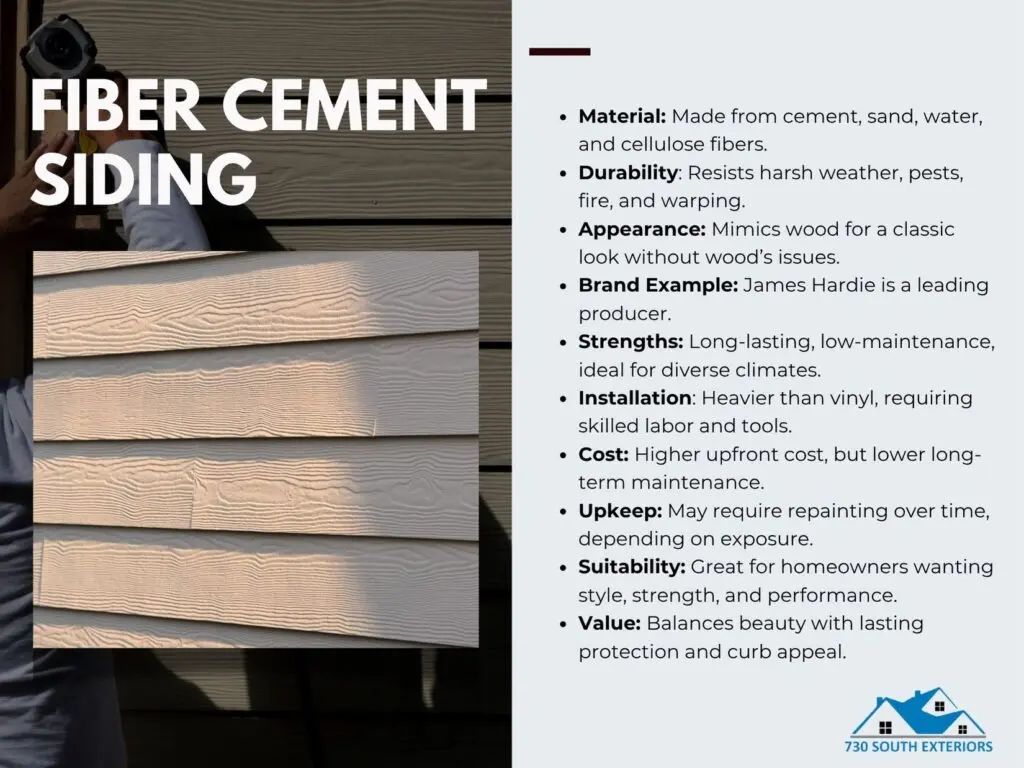
Unlike conventional vinyl siding, LP siding is constructed from a multi‑layer polymer core that is reinforced with a UV‑stable exterior film. This design gives it superior weather‑resistant properties and a tighter tolerance to expansion and contraction, reducing the risk of warping or cracking. Compared with fiber cement options such as James Hardie, LP siding weighs less, eliminating the need for additional structural support, yet it still offers comparable fire‑rating (Class A) and impact resistance.
Key Technical Benefits
- Thermal insulation: The core incorporates an air‑filled chamber that improves R‑value by up to 15 % over standard vinyl, contributing to lower heating bills.
- Moisture management: A patented water‑shed system channels rain away from the wall cavity, minimizing rot risks that plague wood or cedar cladding.
- Color retention: Advanced pigments embedded in the outer film resist fading for over 30 years, according to a 2026 study by the National Association of Home Builders (NAHB).
Energy‑Efficient Siding: How LP Siding Stacks Up
In an era where energy‑efficient siding is a top priority, LP siding offers measurable advantages. The 2026 Energy Star report shows that homes with LP siding experience an average of 7 % reduction in cooling loads during summer months, thanks to its reflective coating and insulating core. Pairing LP siding with proper attic insulation can push overall home energy savings to nearly 12 %, a figure that rivals high‑performance exterior cladding systems.
Table of Contents
- What Makes LP Siding Different from Traditional Vinyl and Fiber Cement?
- Key Technical Benefits
- Energy‑Efficient Siding: How LP Siding Stacks Up
- Real‑World Applications: Case Studies from 2026
- Installation Considerations and Best Practices
- 1. Substrate Preparation
- 2. Proper Fastening Techniques
- 3. Managing Expansion Gaps
- 4. Finishing Touches
- Common Mistakes to Avoid
- Comparing LP Siding to Other Popular Options in 2026
- Cost Overview and Return on Investment
- Choosing the Right Color and Style
- Environmental Impact and Sustainability
- Frequently Asked Questions
- Can LP siding be painted?
- Is LP siding suitable for multi‑story homes?
- How does LP siding handle extreme temperature swings?
- What warranty does LP siding come with?
- Does LP siding require a professional installer?
- Conclusion: Is LP Siding the Right Choice for Your Home?
Real‑World Applications: Case Studies from 2026

Several projects across the United States illustrate the practical benefits of LP siding. In Austin, Texas, a 2,800‑sq‑ft ranch‑style home upgraded from traditional cedar shake to LP siding, achieving a 10 % decrease in annual HVAC energy consumption. The homeowner also reported a 40 % reduction in maintenance calls over three years, thanks to the material’s resistance to insect damage and rot.
Another example comes from a coastal community in Wilmington, North Carolina. Residents switched from wood lap siding to LP siding to combat salt‑air corrosion. After two years, the local homeowners association noted no signs of corrosion or fading, validating LP siding’s claim of superior durability in high‑salinity environments.
Installation Considerations and Best Practices
While LP siding is designed for straightforward installation, certain steps ensure optimal performance and longevity.
1. Substrate Preparation
Start with a clean, flat sheathing surface. Any protruding nails or uneven areas should be sanded or filled. For homes with existing wood siding, a moisture barrier such as Tyvek is recommended to enhance the system’s water‑shed capability.
2. Proper Fastening Techniques
LP siding requires corrosion‑resistant nails or screws placed at 16‑in‑center spacing. Over‑driving fasteners can crush the outer film, compromising its protective qualities. Manufacturers advise using a nail gun with a depth‑setting feature to maintain consistency.
3. Managing Expansion Gaps
Even though LP siding’s core reduces thermal movement, a ¼‑in expansion gap should be left at corners, windows, and doors. This gap is later covered with a flexible caulk to maintain a seamless appearance while allowing for seasonal shifts.
4. Finishing Touches
Seal all seams with a high‑quality, paint‑compatible silicone sealant. For a polished look, consider integrating decorative trim that matches the LP color palette, which includes earth tones and contemporary greys.
Common Mistakes to Avoid
- Skipping the moisture barrier: Without a proper underlayment, water infiltration can occur behind the siding, leading to mold growth.
- Using the wrong fastener material: Galvanized steel may corrode in coastal climates, negating LP siding’s durability advantages.
- Improper flashing installation: Leaks often stem from poorly sealed roof‑to‑wall transitions, especially around dormers and skylights.
Comparing LP Siding to Other Popular Options in 2026
When weighing siding choices, consider the following comparative matrix:
| Feature | LP Siding | Vinyl Siding | Hardie Board (Fiber Cement) |
|---|---|---|---|
| Weight (lb/ft²) | 2.1 | 2.3 | 3.2 |
| Fire Rating | Class A | Class B | Class A |
| R‑Value Increase | +15 % | +5 % | +12 % |
| Warranty | 30 years | 20 years | 25 years |
| Maintenance | Low (no painting) | Low (occasional cleaning) | Medium (repainting every 10 yr) |
For a deeper dive into the merits of fiber‑cement alternatives, see our Hardie Plank Siding 2026 guide which outlines durability and cost factors.
Cost Overview and Return on Investment
As of Q2 2026, the average installed cost of LP siding sits at $7.50 per square foot, including labor and accessories. While this is marginally higher than basic vinyl (approximately $5.00 per square foot), the long‑term savings from reduced energy bills and minimal upkeep can offset the initial outlay within 8–10 years. Moreover, homes with LP siding often command a resale premium of 3‑5 % according to the 2026 Real Estate Market Outlook by Zillow.
Choosing the Right Color and Style
LP siding comes in a curated palette ranging from warm cedar‑tone hues to cool slate greys, allowing homeowners to achieve either a rustic or contemporary façade. When paired with complementary trim, the siding can emulate the depth of traditional wood while delivering modern performance. For inspiration, browse our Cedar Siding 2026 guide, which showcases how color coordination enhances curb appeal.
Environmental Impact and Sustainability
Manufacturers of LP siding emphasize recycled content, with up to 30 % post‑consumer plastic incorporated into the core. The production process also generates 20 % less CO₂ emissions compared to fiber cement manufacturing, according to the 2026 Green Building Council report. At the end of its service life, the siding can be reclaimed for recycling, aligning with the circular economy principles promoted by the U.S. Environmental Protection Agency (EPA).
Frequently Asked Questions
Can LP siding be painted?
Yes, but it is generally unnecessary because the outer film retains its color. If painting is desired, use a high‑adhesion, acrylic‑based paint approved by the manufacturer.
Is LP siding suitable for multi‑story homes?
Absolutely. Its lightweight nature reduces structural load, making it ideal for both single‑story ranches and multi‑story colonial homes.
How does LP siding handle extreme temperature swings?
The insulated core mitigates thermal expansion, and the UV‑stable film resists brittleness in sub‑zero conditions, as confirmed by the 2026 Climate Resilience Study from the National Weather Service.
What warranty does LP siding come with?
Most leading brands offer a 30‑year limited warranty covering fading, delamination, and structural defects.
Does LP siding require a professional installer?
While DIY installation is possible for experienced handymen, professional installation ensures compliance with flashing and sealing best practices, safeguarding the warranty.
Conclusion: Is LP Siding the Right Choice for Your Home?
LP siding delivers a compelling mix of durability, energy efficiency, and low maintenance that positions it as a strong contender among 2026’s top exterior cladding options. Its advanced polymer core, combined with a weather‑proof outer film, offers tangible benefits over traditional vinyl and even many fiber‑cement products. For homeowners prioritizing a long‑term, sustainable solution that also enhances resale value, LP siding stands out as a smart investment.
Ready to explore further? Check out our LP Smart Siding Review 2026 for an in‑depth performance analysis, or discover the best siding options for houses in 2026 to compare alternatives side by side.
