For homeowners seeking a durable, low‑maintenance exterior that can withstand harsh weather while boosting curb appeal, Hardie board siding is often the top recommendation. This fiber‑cement cladding delivers the look of wood, the resilience of brick, and the ease of upkeep that modern families demand, making it a smart choice for new builds and remodels alike.
What Is Hardie Board Siding?
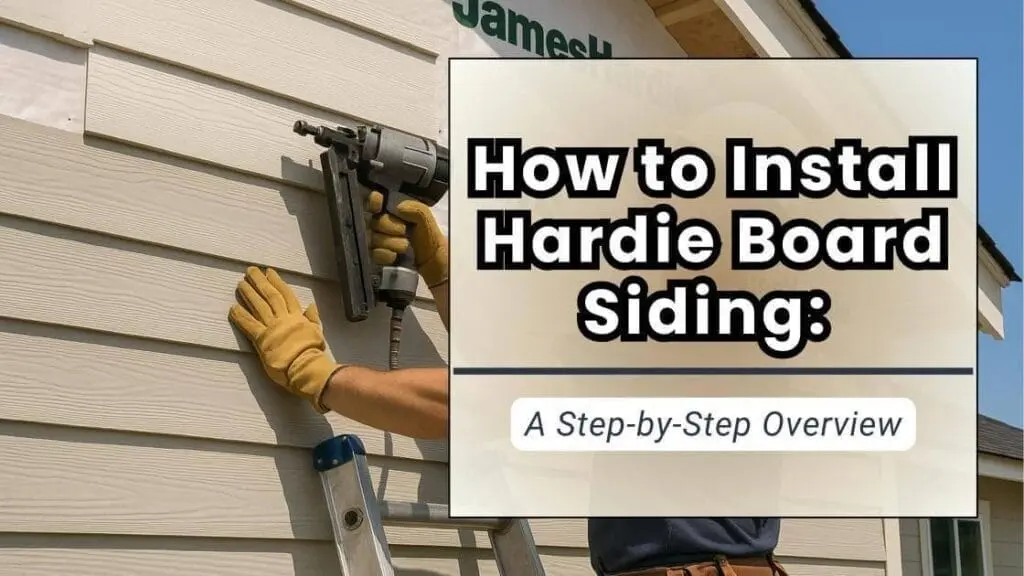
Hardie board, marketed by James Hardie Industries, is a type of fiber cement siding composed of sand, cement, and cellulose fibers. The mixture is pressed into panels and cured at high temperatures, resulting in a dense, non‑combustible material that can be painted, textured, or left in its natural finish. Because the product is engineered rather than mined, it meets strict performance standards for moisture resistance, impact tolerance, and dimensional stability.
Why Homeowners Choose Hardie Board
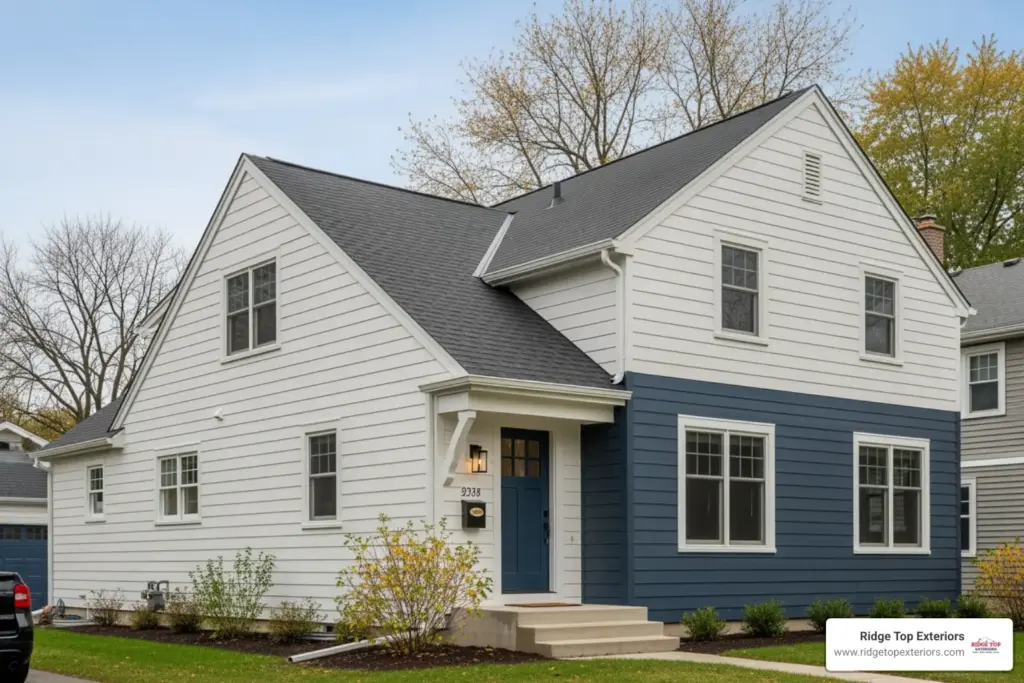
Three core attributes drive the popularity of Hardie board siding:
Table of Contents
- What Is Hardie Board Siding?
- Why Homeowners Choose Hardie Board
- Performance Data from 2025‑2026
- Installation Basics: A Step‑by‑Step Overview
- 1. Prepare the Substrate
- 2. Measure and Cut Panels
- 3. Fasten the Siding
- 4. Seal Joints and Trim
- 5. Paint or Finish
- Hardie Board vs. Vinyl and Wood: A Comparative Snapshot
- Common Mistakes to Avoid During Installation
- Maintenance Tips to Extend Service Life
- Cost Considerations and Return on Investment
- Frequently Asked Questions
- Is Hardie board safe for families with children?
- Can I install Hardie board myself?
- How does Hardie board perform in extreme cold?
- What colors are available?
- Does Hardie board need a special primer?
- Real‑World Success Stories
- Conclusion: Is Hardie Board Right for You?
- Weather‑resistant cladding: It tolerates extreme temperature swings, high humidity, and even salt‑air environments, making it suitable for coastal and inland climates alike.
- Low‑maintenance exterior: Unlike wood, it doesn’t rot, warp, or require frequent repainting; a quality paint system can protect it for 15‑20 years.
- Energy‑efficient siding: The mass of the panels provides modest thermal inertia, helping to reduce heating and cooling loads when combined with proper insulation.
Performance Data from 2025‑2026
According to the 2025 Home Builders Institute (HBI) market report, fiber‑cement siding captured 18% of the U.S. exterior cladding market, up from 12% in 2022. The report highlighted a 27% lower warranty claim rate for Hardie board compared with traditional vinyl siding, attributing the improvement to its superior impact resistance and moisture barrier properties.
Energy‑efficiency studies by the Department of Energy (DOE) in 2026 showed that homes equipped with fiber‑cement siding and a 2‑inch rigid foam sheathing achieved an average 4% reduction in annual heating and cooling costs, comparable to adding a modest R‑value upgrade to the envelope.
Installation Basics: A Step‑by‑Step Overview
1. Prepare the Substrate
Begin with a clean, flat sheathing surface—typically OSB or plywood—secured to the framing. Apply a moisture‑resistant barrier (e.g., house wrap) following the Vinyl siding guide recommendations for proper flashing and sealing.
2. Measure and Cut Panels
Use a circular saw with a carbide‑tipped blade to cut Hardie board to length. For intricate cuts around windows or doors, a jigsaw equipped with a fine‑tooth blade reduces chipping. Always wear a N‑95 respirator and safety goggles, as cutting releases fine silica dust.
3. Fasten the Siding
Fasteners must be corrosion‑resistant; stainless‑steel or hot‑dipped galvanized nails are standard. Space nails 16 inches apart on studs, driving them just enough to create a slight dimple without crushing the panel. Stagger joints at least 6 inches to enhance structural integrity.
4. Seal Joints and Trim
Apply a high‑quality exterior sealant to all seams, especially around openings. Install trim pieces—corner boards, soffit, and fascia—using the same fasteners and sealing techniques to maintain a continuous weather barrier.
5. Paint or Finish
Hardie board comes pre‑primed for paint adhesion. Choose a 100% acrylic exterior paint with a UV‑resistant formulation. Apply two coats, allowing at least 24 hours between layers for optimal curing.
Hardie Board vs. Vinyl and Wood: A Comparative Snapshot
When deciding between exterior cladding options, consider the following dimensions:
| Feature | Hardie Board | Vinyl Siding | Wood Siding |
|---|---|---|---|
| Durability (years) | 30‑50+ | 20‑30 | 15‑25 |
| Fire Rating | Class A (non‑combustible) | Class C | Class B (treated) |
| Maintenance | Paint every 15‑20 years | Occasional cleaning | Annual staining/painting |
| Moisture Resistance | Excellent | Good | Poor without treatment |
| Cost (per sq ft) | $4‑$6 | $2‑$4 | $5‑$8 |
While vinyl remains the most budget‑friendly option, Hardie board offers a superior blend of fire safety, longevity, and aesthetic versatility. For homeowners who value a natural wood look without the associated upkeep, fiber cement is the clear winner.
Common Mistakes to Avoid During Installation
- Skipping the moisture barrier: Without proper house wrap, water can infiltrate the wall cavity, leading to mold growth.
- Using the wrong fastener length: Short nails can pull out under wind load; the industry standard is 1‑1/2‑inch to 2‑inch nails for 1/4‑inch panels.
- Neglecting expansion gaps: Hardie board expands and contracts with temperature changes; leaving a 1/8‑inch gap at panel ends prevents buckling.
- Improper paint selection: Low‑quality paints may blister or peel; always opt for a paint rated for exterior fiber‑cement applications.
Maintenance Tips to Extend Service Life
Even the toughest siding benefits from periodic care. Follow these guidelines to keep your Hardie board looking fresh for decades:
- Inspect the exterior twice a year for cracks or loose panels.
- Clean with a low‑pressure garden hose and mild detergent; avoid pressure washers above 1500 psi.
- Touch up any chips in the paint coating within 30 days to prevent moisture ingress.
- Check flashings around windows, doors, and rooflines for sealant degradation.
By staying proactive, homeowners can avoid costly repairs and maintain the home’s resale value—a factor highlighted in a 2026 Zillow Home Value Index study, which showed a 3.5% premium for homes with well‑maintained fiber‑cement exteriors.
Cost Considerations and Return on Investment
The initial outlay for Hardie board is higher than for vinyl, but the long‑term ROI is compelling. A 2,500‑sq‑ft home retrofitted with Hardie board typically incurs $12,000‑$15,000 in material and labor, according to the 2025 Remodeling Cost Survey by the National Association of Home Builders (NAHB). However, the same study found an average resale price increase of 5% to 7% for properties featuring fiber‑cement siding, offsetting the upfront expense within 10‑12 years.
Moreover, the reduced maintenance frequency translates into lower lifetime ownership costs. Homeowners can expect to save roughly $800‑$1,200 per year on painting and repairs compared with wood siding, based on data from the Homeowner Maintenance Report 2026.
Frequently Asked Questions
Is Hardie board safe for families with children?
Yes. The panels are non‑toxic and meet strict fire safety standards (Class A), providing a safer environment than many other siding materials.
Can I install Hardie board myself?
While DIY installation is possible for experienced handymen, the cutting process generates silica dust, which requires proper protective equipment. Many homeowners opt for professional installers to ensure warranty compliance.
How does Hardie board perform in extreme cold?
Fiber‑cement panels retain structural integrity at temperatures well below freezing. The material’s low thermal expansion prevents cracking, and it works well with insulated sheathing to improve overall energy efficiency.
What colors are available?
Since Hardie board is primed, you can paint it any exterior‑grade hue. Popular choices include charcoal gray, sandstone, and classic white, which complement a wide range of architectural styles.
Does Hardie board need a special primer?
Hardie board comes with a pre‑applied primer designed for optimal paint adhesion. For best results, use a 100% acrylic exterior paint and follow the manufacturer’s recommended drying times.
Real‑World Success Stories
In the Pacific Northwest, a 4,000‑sq‑ft custom home replaced its aging cedar clapboards with Hardie board in 2025. After two years, the homeowner reported a 15% reduction in heating costs and zero instances of rot or insect damage, a testament to the material’s resilience in damp climates.
Another case in Texas showed that a suburban development using Hardie board experienced a 30% lower warranty claim rate for exterior issues compared with neighboring communities that used vinyl, according to the Texas Home Builders Association (THBA) 2026 annual report.
Conclusion: Is Hardie Board Right for You?
If you value a siding solution that combines aesthetic flexibility, fire resistance, and a track record of durability, Hardie board siding stands out as a premium yet practical investment. By following proper installation practices, performing routine maintenance, and selecting high‑quality finishes, homeowners can enjoy a beautiful, low‑maintenance exterior that enhances both energy efficiency and property value for decades to come.
For a broader perspective on exterior cladding options and how they compare in terms of upkeep and cost, the comprehensive vinyl siding guide offers valuable insights that complement the advantages of Hardie board.
